


When it comes to workplace safety, the right footwear can make a major difference. Many industries require protective footwear to reduce the risk of injuries caused by falling objects, heavy equipment, or hazardous environments.
Two of the most common types of protective footwear are steel toe cap boots and composite toe cap boots. Both provide essential protection, but they are designed for different job conditions and work environments.
In this guide, we compare steel toe cap vs composite toe cap safety boots, explain the key differences between them, and help you determine which option is better for your worksite.
What Are Steel Toe Cap Safety Boots?
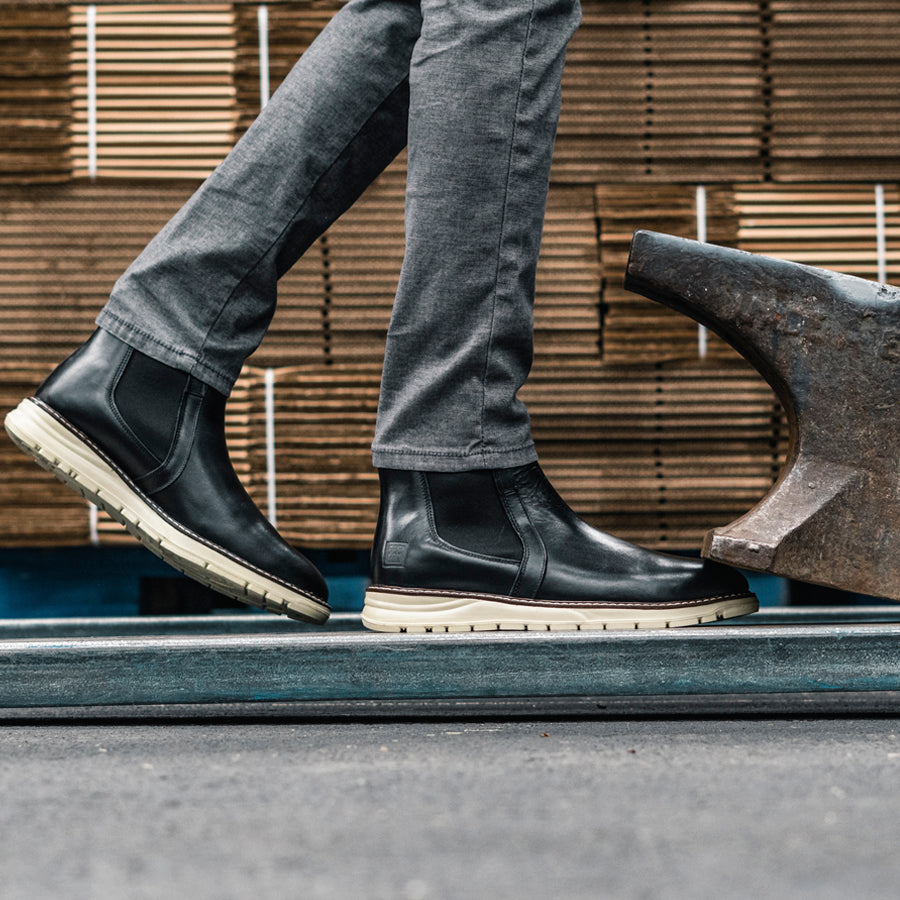
Steel toe cap boots feature a reinforced steel cap inside the toe area of the boot. This protective structure is designed to protect the toes from heavy impact, compression, and falling objects.
Because of their strength and durability, steel toe boots are among the most widely used types of safety footwear in industrial and construction environments.
Advantages of Steel Toe Cap Boots
-
Excellent protection against heavy falling objects
-
High resistance to compression and impact
-
Durable construction suitable for demanding worksites
-
Typically thinner toe protection compared to composite caps, allowing a more compact boot design
Jobs Where Steel Toe Boots Are Commonly Used
Steel toe safety boots are frequently required in industries where heavy materials and equipment are present. Examples include:
-
Construction workers handling tools and building materials
-
Manufacturing plant operators working around machinery
-
Warehouse and logistics workers managing heavy inventory
-
Heavy equipment operators
-
Oil and gas industry workers
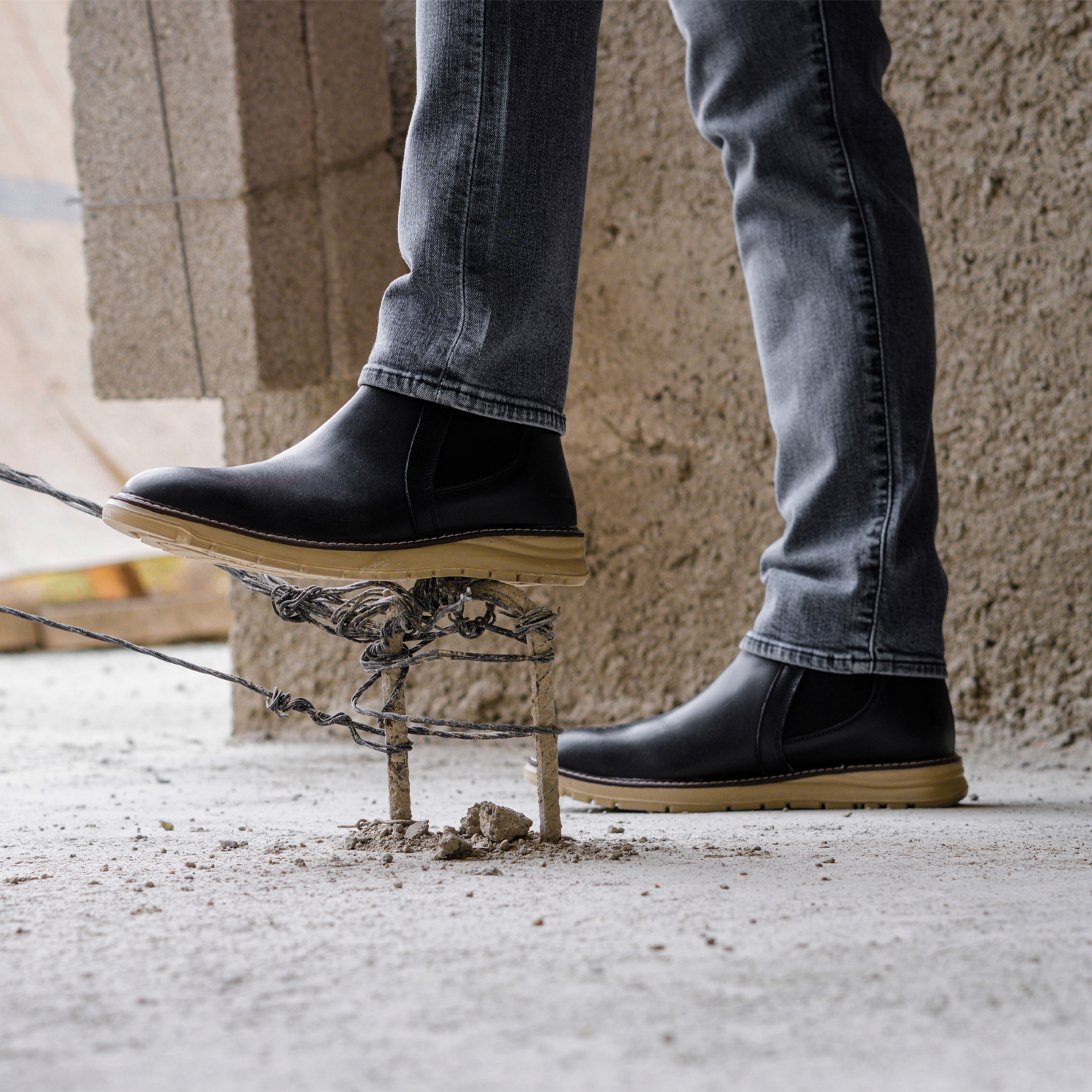
In environments where tools, equipment, or materials may fall or roll onto a worker’s foot, steel toe protection provides a high level of safety.
What Are Composite Toe Cap Safety Boots?
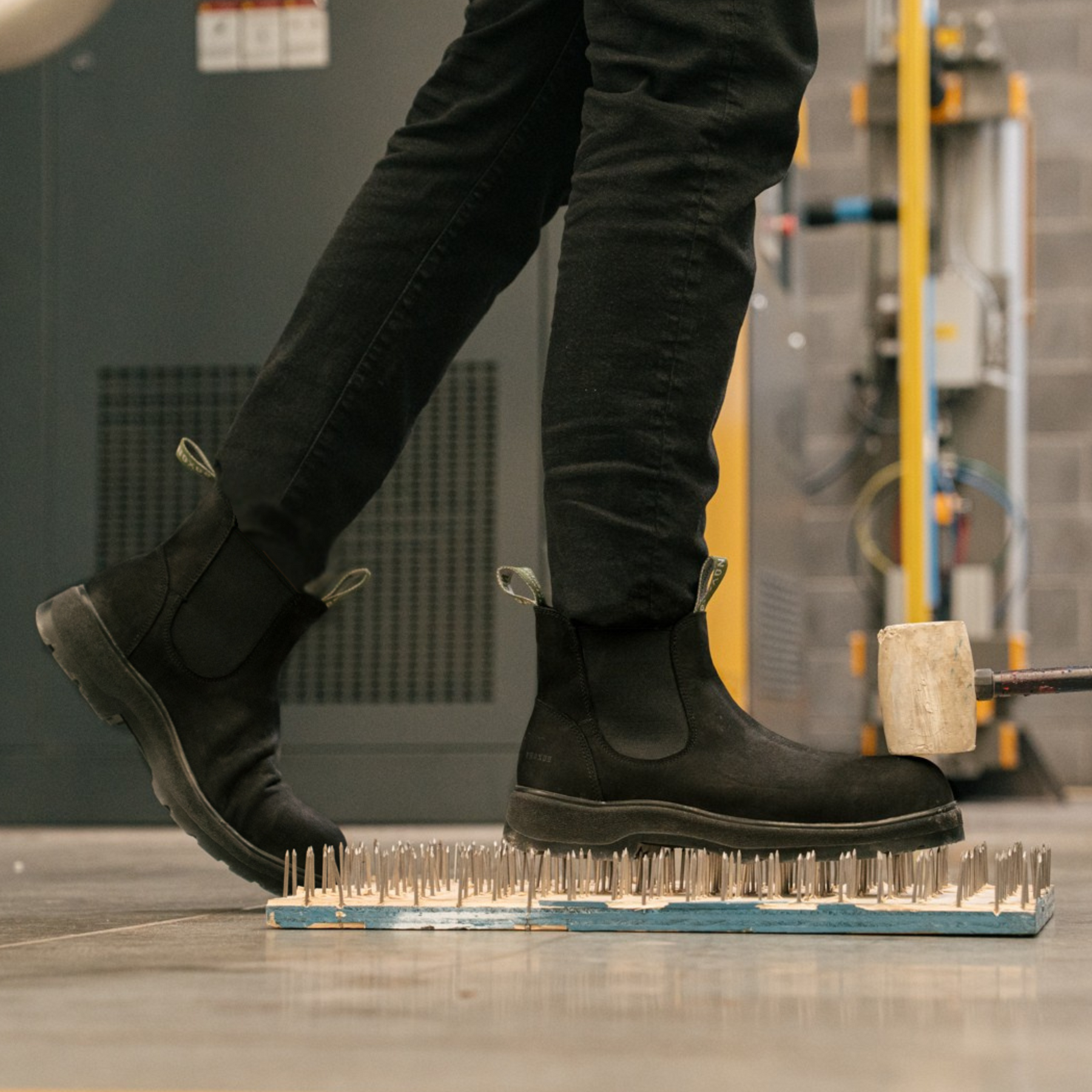
Composite toe cap boots provide protection similar to steel toe boots but use non-metallic materials such as fiberglass, Kevlar, carbon fiber, or advanced plastics instead of steel.
These materials create a protective toe cap that meets safety standards while offering a lighter and non-metallic alternative.
Advantages of Composite Toe Boots
-
Lighter than traditional steel toe boots
-
Non-metallic materials do not conduct electricity
-
More comfortable in extremely hot or cold environments
-
Suitable for workplaces with metal detectors
Jobs Where Composite Toe Boots Are Commonly Used
Composite toe boots are ideal for jobs where electrical safety or lightweight footwear is important. Common examples include:
-
Electricians and electrical technicians
-
Airport and security personnel
-
Engineers and field technicians
-
Delivery and logistics drivers
-
Light manufacturing workers
Because composite toe boots contain no metal, they are often preferred in workplaces with electrical hazards or security screening requirements.

Steel Toe Cap vs Composite Toe Cap: Key Differences
When comparing steel toe cap vs composite toe cap safety boots, several key differences should be considered.
Material
Steel toe boots use reinforced steel, while composite boots use materials like fiberglass, Kevlar, or carbon fiber.
Weight
Steel toe boots are generally heavier, while composite toe boots are lighter and often more comfortable for long shifts.
Electrical Conductivity
Steel conducts electricity, while composite materials are non-metallic and safer in electrical environments.
Temperature Sensitivity
Steel toe caps may feel colder or hotter depending on the environment. Composite materials provide better insulation from temperature changes.
Best Work Environments
Steel toe boots are typically better for heavy-duty worksites, while composite toe boots are often preferred for electrical, technical, or security-sensitive environments.
Which Safety Boot Is Better for Your Job?
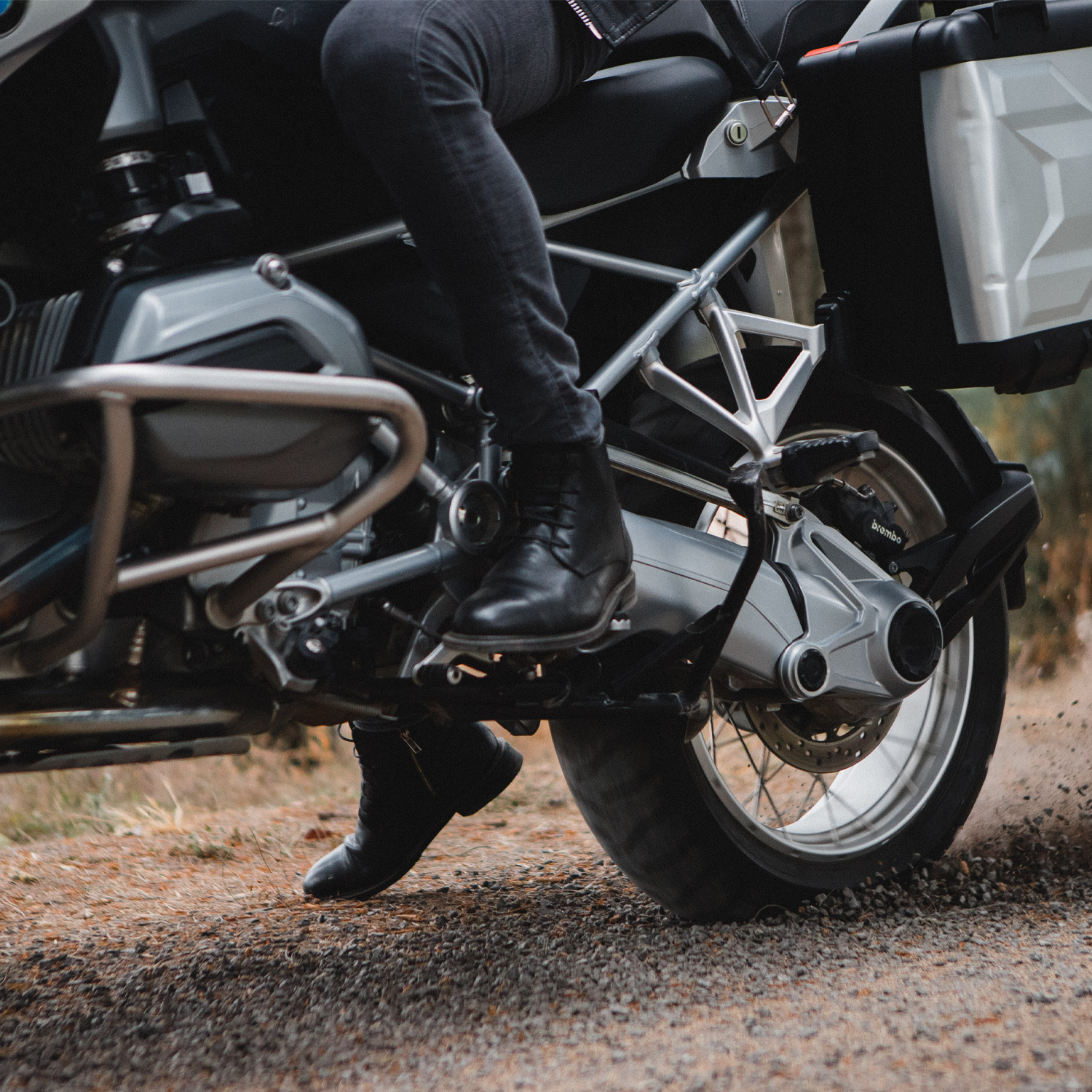
Choosing the right type of safety footwear depends on the hazards present in your work environment.
Steel Toe Boots Are Ideal For
-
Construction sites with heavy materials
-
Industrial manufacturing facilities
-
Warehouses with forklifts and heavy loads
-
Mining, mechanical, and oil industry jobs
Composite Toe Boots Are Ideal For
-
Electrical environments
-
Workplaces requiring metal detector clearance
-
Jobs requiring lighter footwear for mobility
-
Technical field work and service jobs
Both types of footwear meet safety standards when used in the appropriate environment.

